History Of Dar El Bacha
The story of Dar El Bacha, from a Pasha's private palace to Marrakech's Museum of Confluences. Discover how this early 20th-century residence became one of the medina's most celebrated restorations.
A Palace Built To Impress
Dar El Bacha — literally "house of the pasha" — was built in 1910 in the heart of Marrakech's medina. It was raised on a lavish scale as the private residence of Thami El Glaoui, who was appointed Pasha of Marrakech by Sultan Moulay Youssef in 1912.
The Lord of the Atlas
Known as "The Lord of the Atlas," Thami El Glaoui was, for decades, the most powerful political figure in Morocco's south under French rule. From Dar El Bacha he presided over the affairs of the region, and the palace became a focal point of political life during the Protectorate era.
A Stage For The World's Elite
The Pasha was famed for his lavish receptions and banquets. Writers, musicians, and political figures — including Colette, Maurice Ravel, Charlie Chaplin, Josephine Baker, and Winston Churchill — all passed through the palace's courtyards and salons.
Architectural Splendor
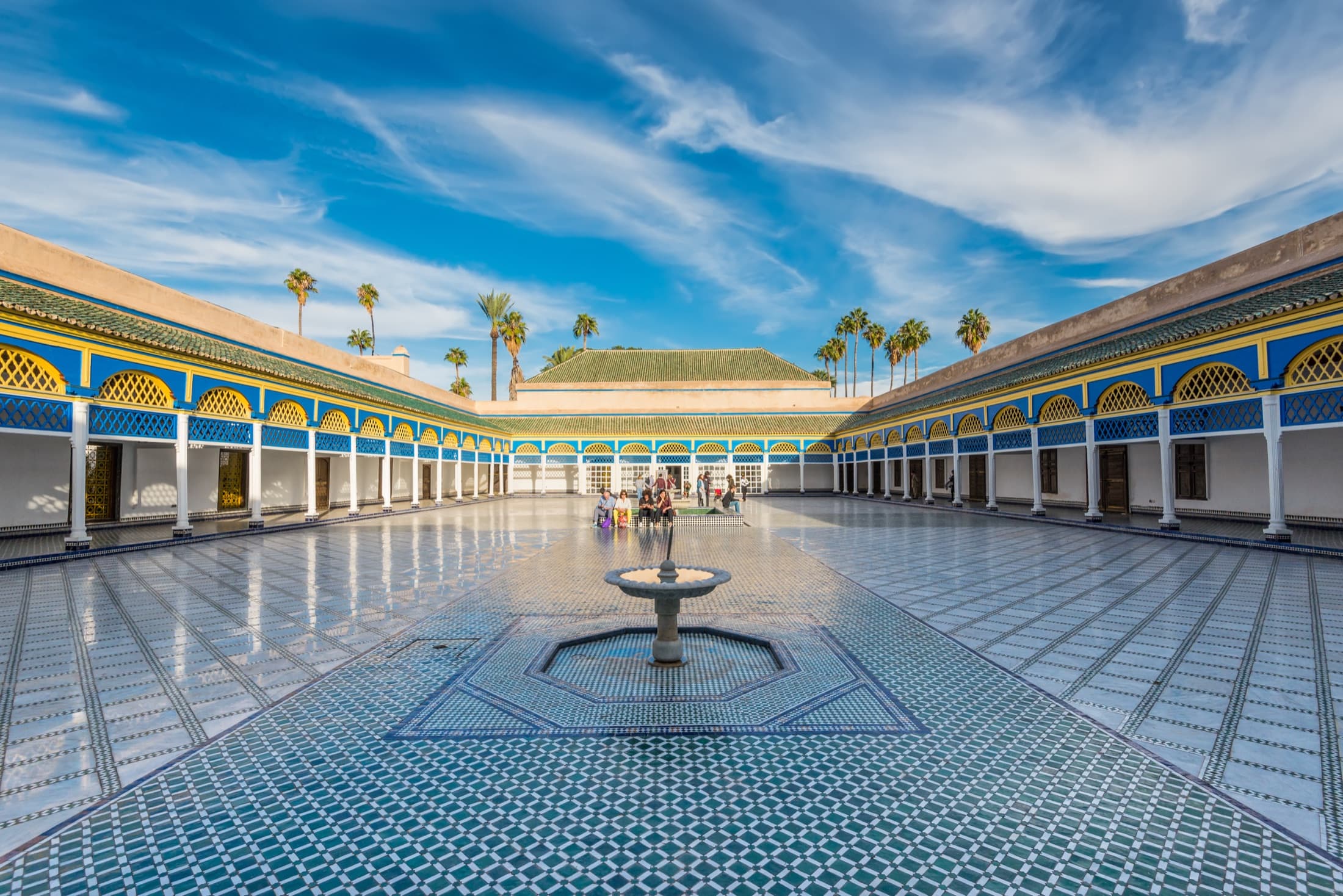
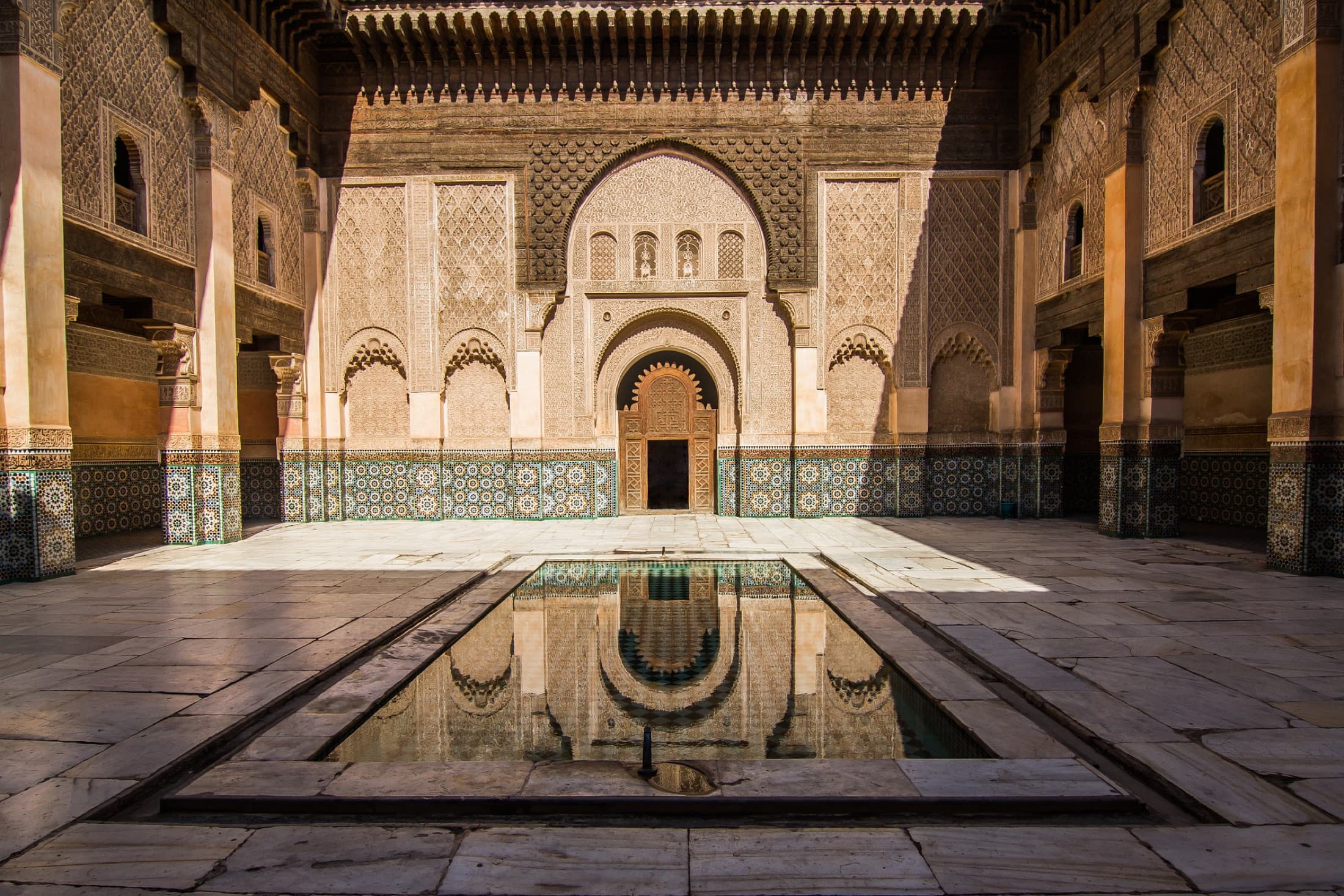
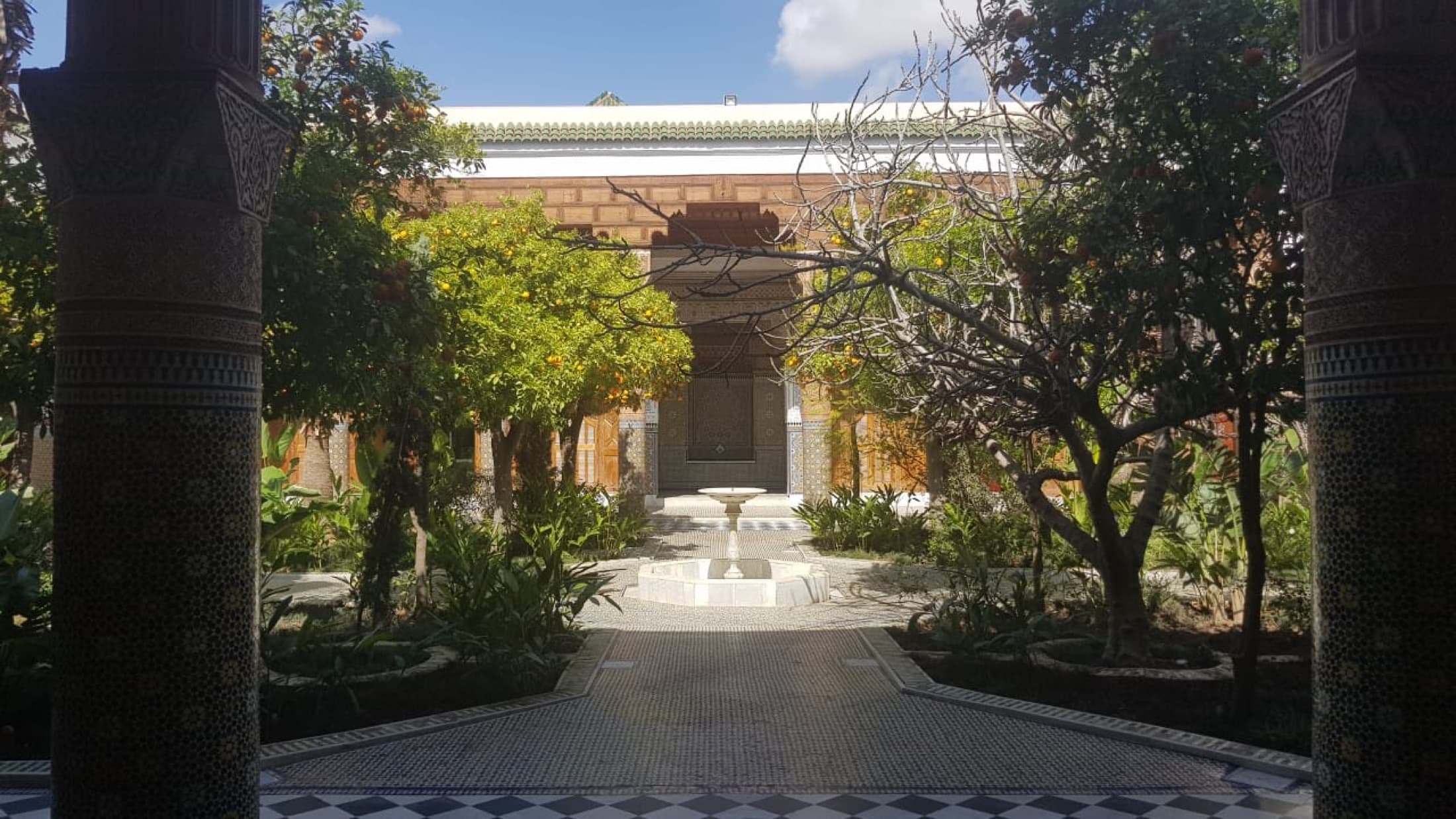
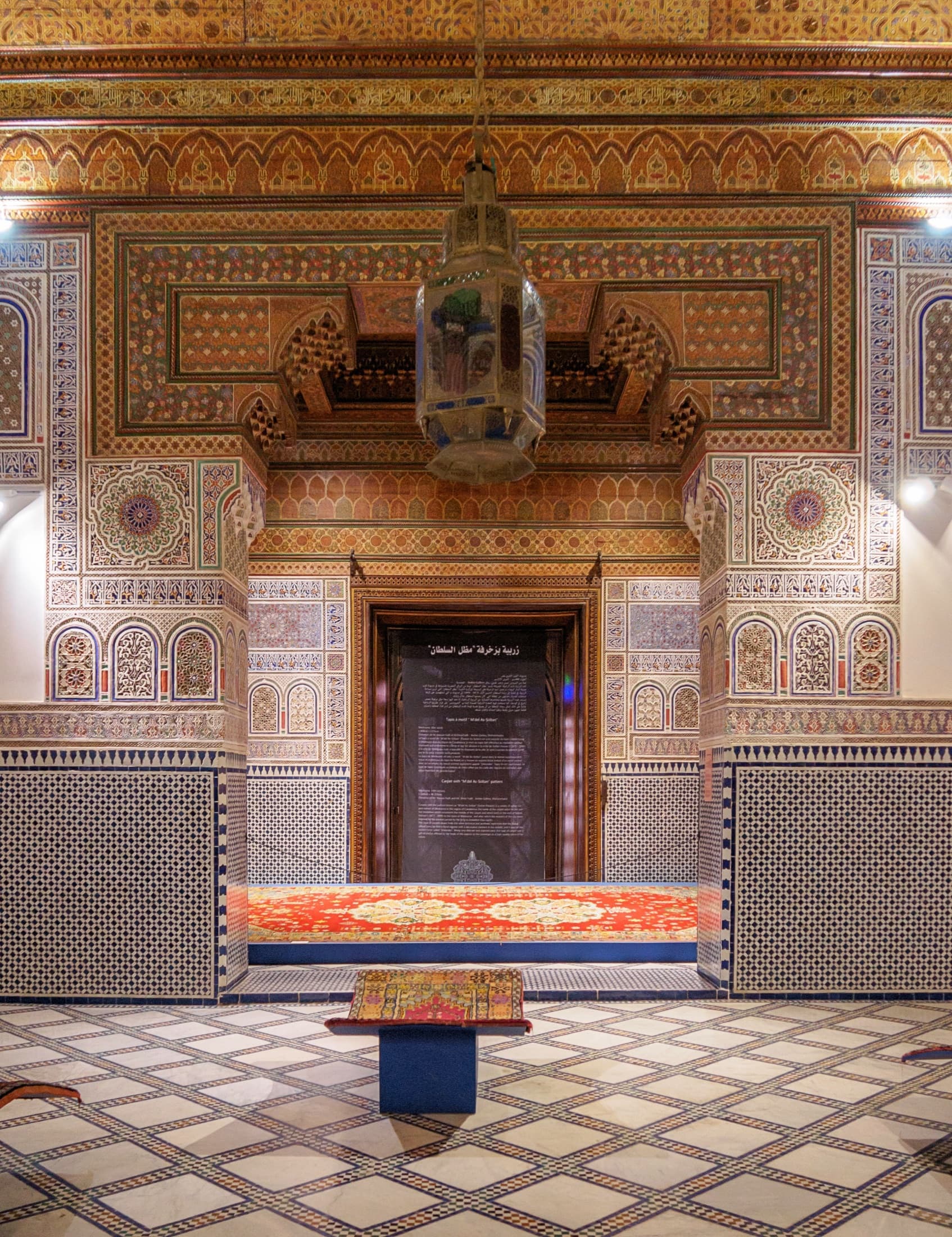
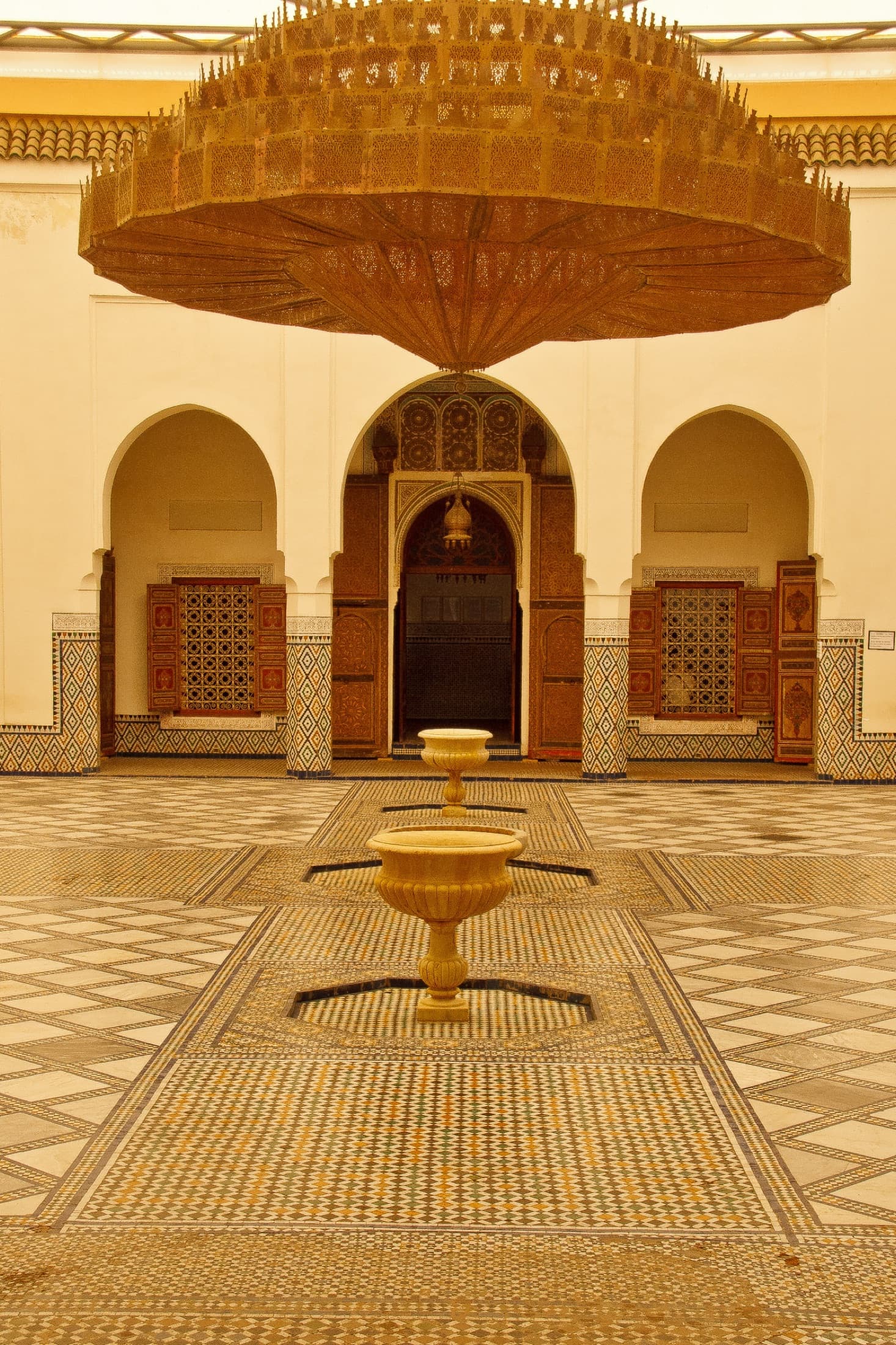
Dar El Bacha blends traditional Moroccan layout and decoration with subtle European influences, especially in its more ostentatious reception spaces. Intricate zellige tilework, carved cedarwood ceilings, and a courtyard planted with fragrant orange trees showcase the craftsmanship of the era.
Decline After Independence
Thami El Glaoui died in January 1956, the same year Morocco achieved independence. His political fall was swift, and Dar El Bacha was shuttered soon after, left to fall into disrepair for decades.
Restoration and Rebirth
The palace was attached to Morocco's National Foundation of Museums in 2015, which carried out a major restoration. On December 18, 2017, it reopened to the public as Dar El Bacha – Museum of Confluences, a name chosen to reflect the dialogue between Moroccan and world cultures.
Dar El Bacha Today
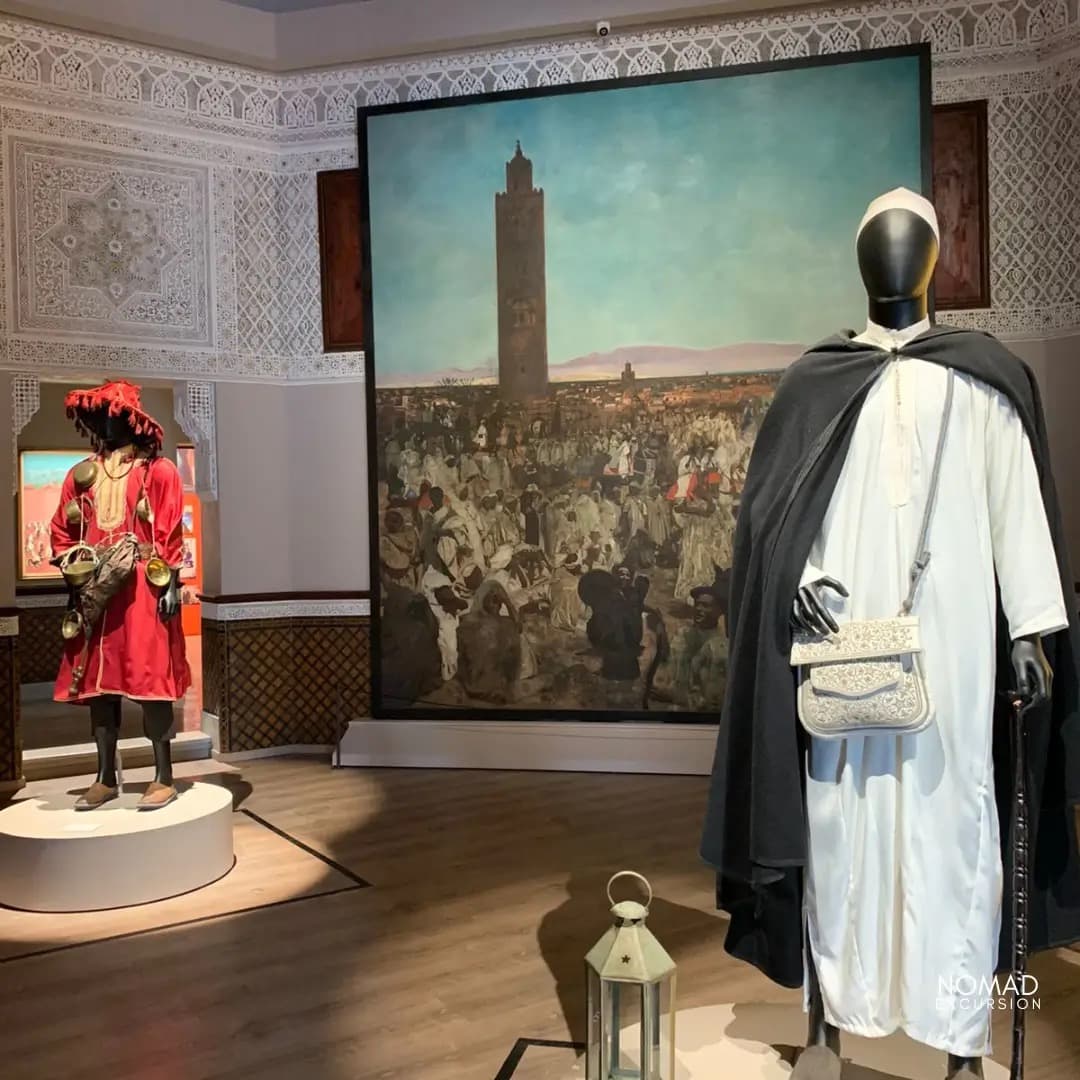
Today, Dar El Bacha sits within the Medina of Marrakesh, a UNESCO World Heritage Site inscribed in 1985. As the Museum of Confluences, it hosts rotating exhibitions of Moroccan and international art inside its restored courtyards and reception rooms — a place where the palace's past and the museum's present sit side by side.